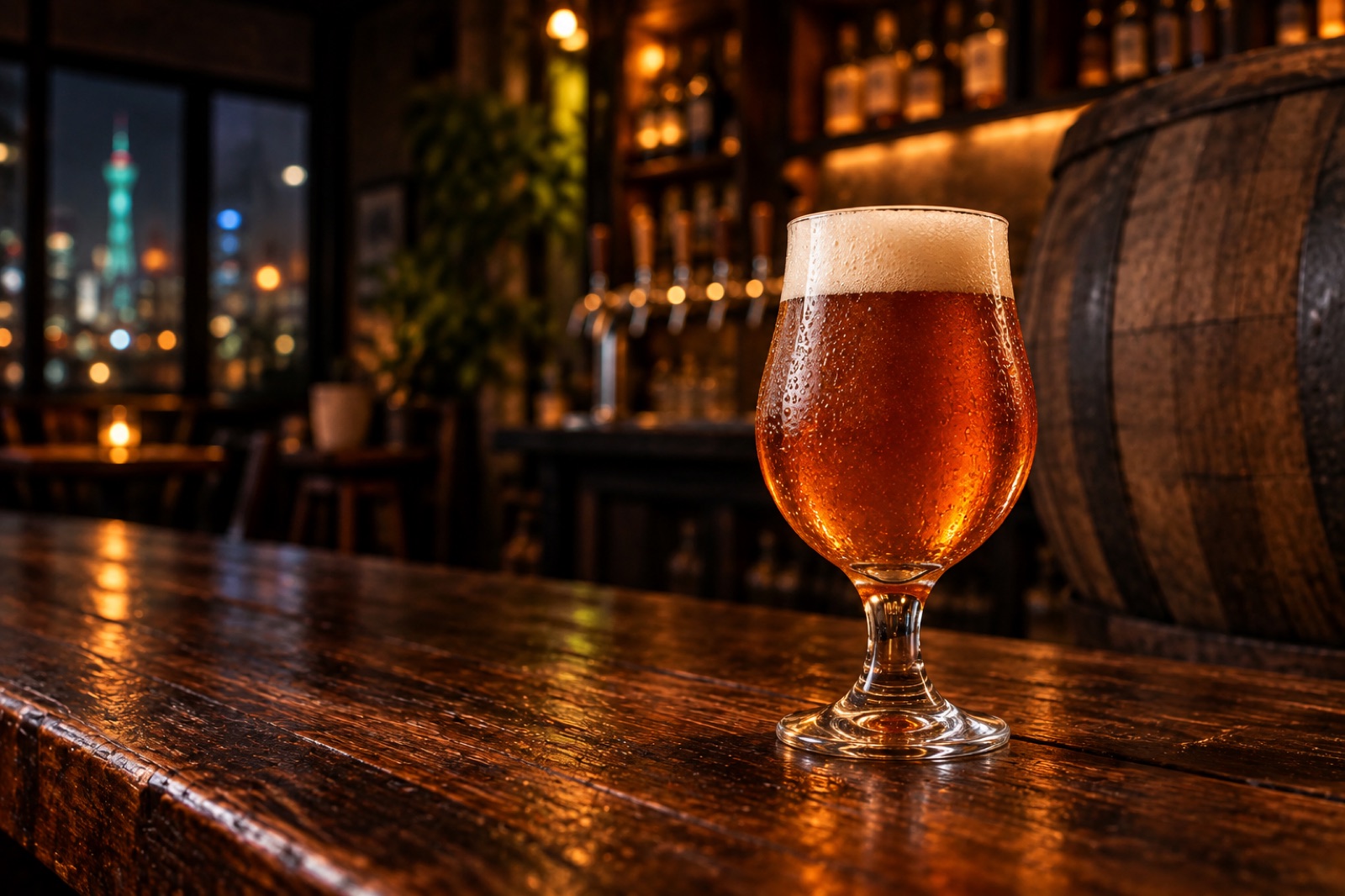
Barrel-Aged Beer: Craft or Gimmick?
Barrel-aged beer can pick up wood, vanilla, roast or traces of what the barrel held before. Learn to look for balance beyond the label.
Read note →JUMPWIRE · CRAFT BEER NOTES
Start with a glass and get to know craft beer at your own pace. These notes cover styles, flavour and useful tips for your first order. You do not have to be an expert to find a beer that suits you.
Barrel-aged beer can pick up wood, vanilla, roast or traces of what the barrel held before. Learn to look for balance beyond the label.
Read note →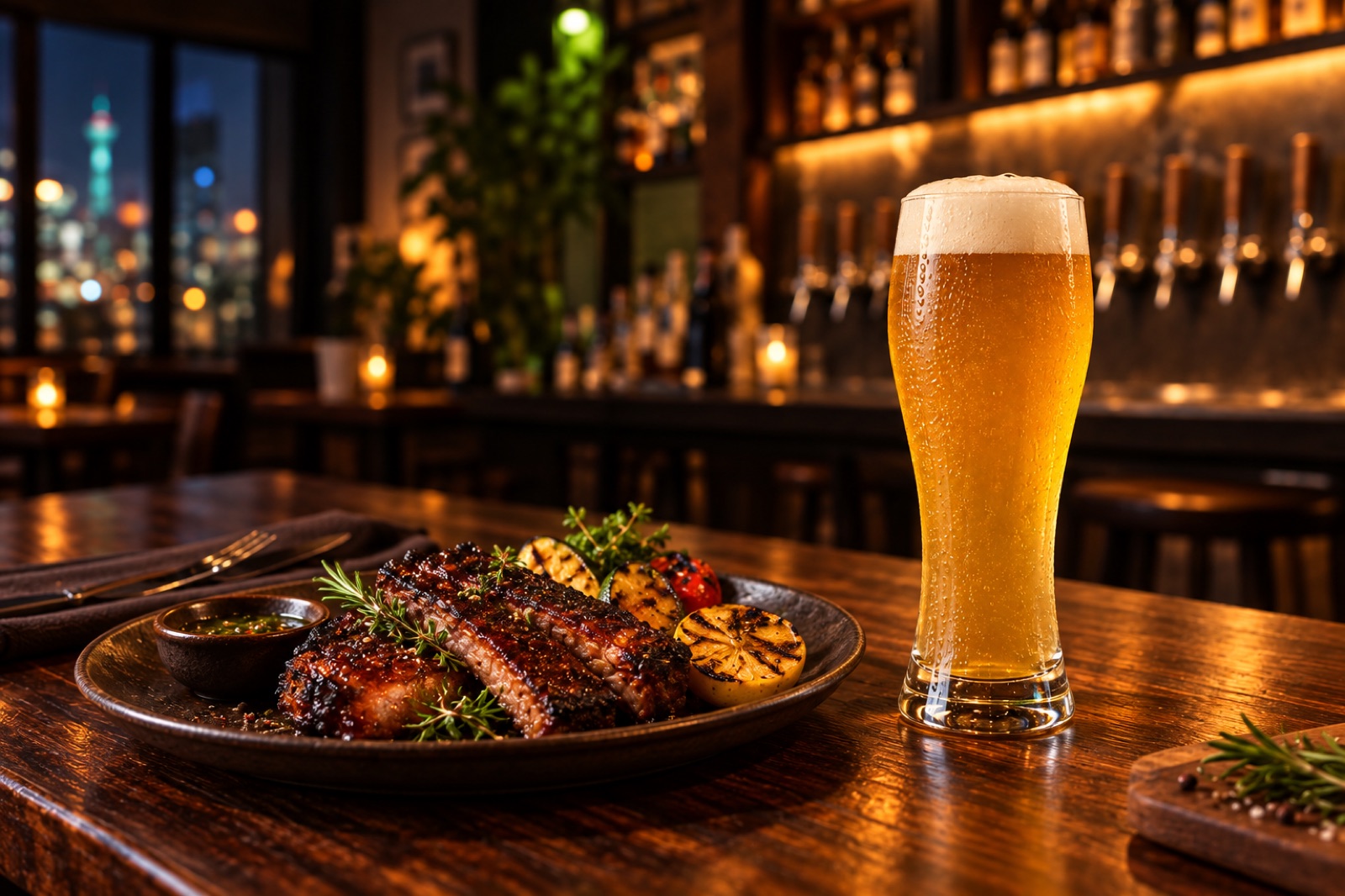
Pair beer with barbecue by balancing bitterness, sweetness, acidity and carbonation against fat, spice and savoury flavours.
Read note →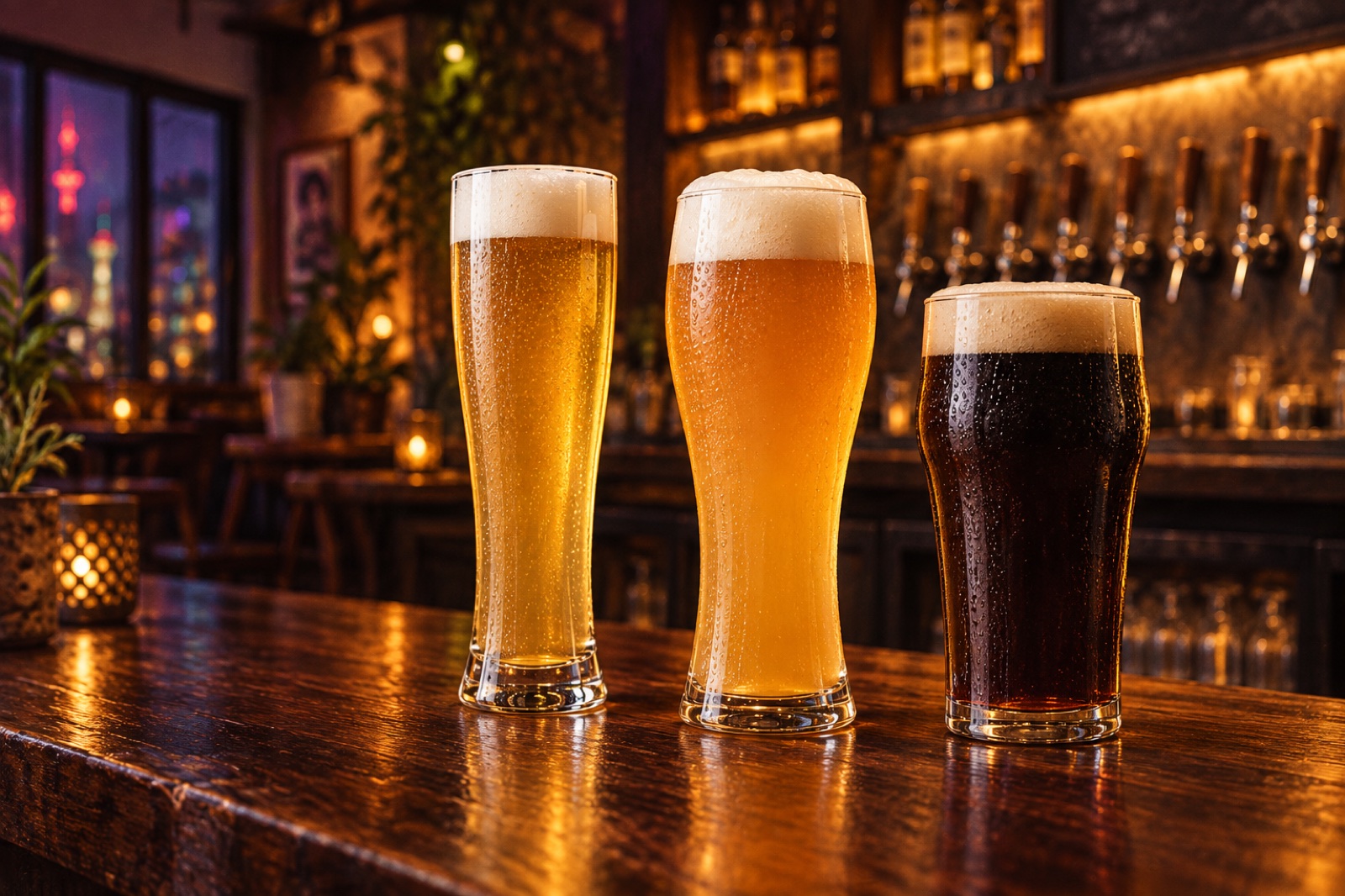
Gold, amber, brown or black: colour can offer clues, but it cannot tell you a beer’s strength, bitterness or quality.
Read note →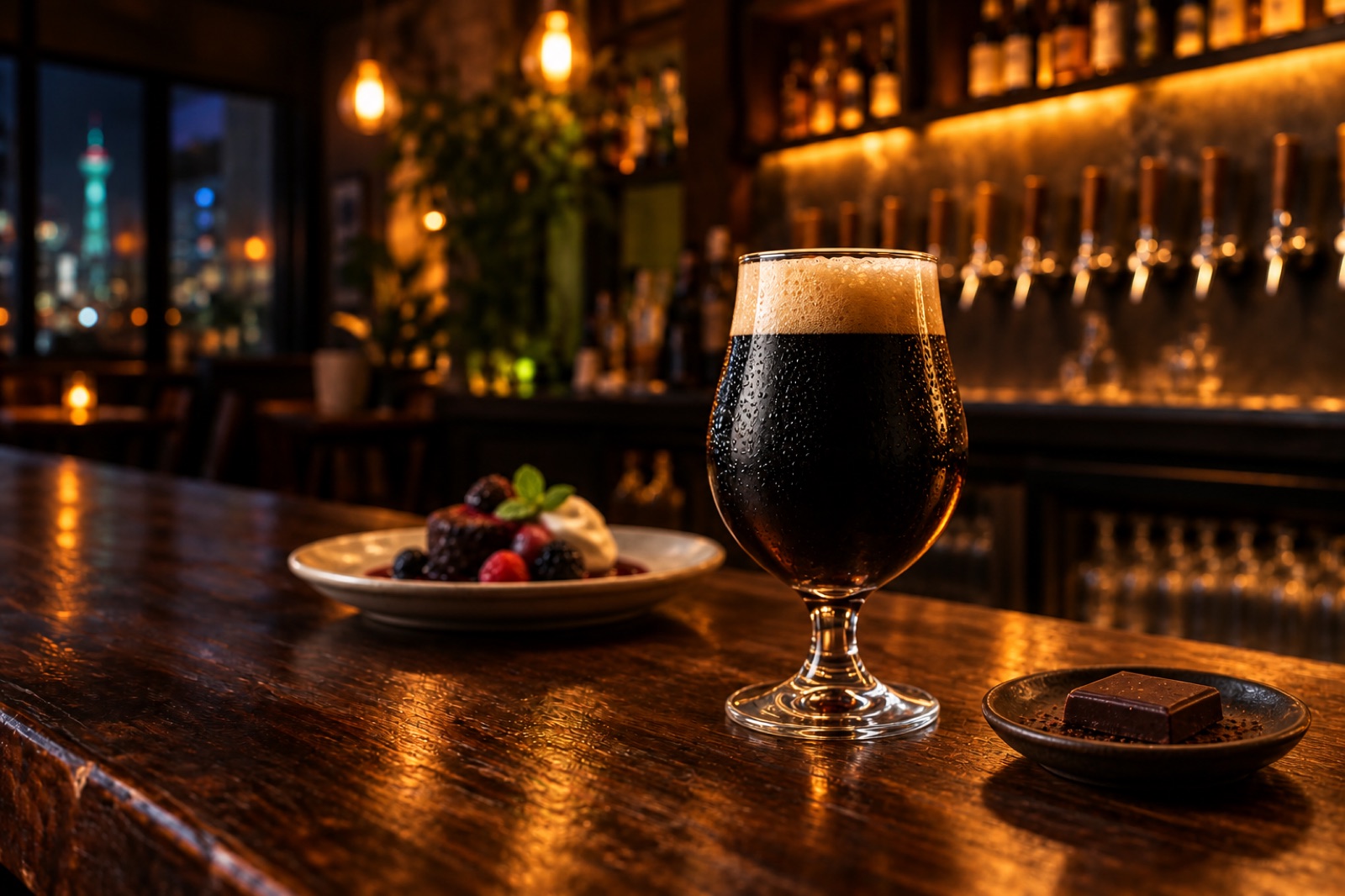
Pair dessert and beer by considering sweetness, roast, acidity and intensity, rather than matching colours.
Read note →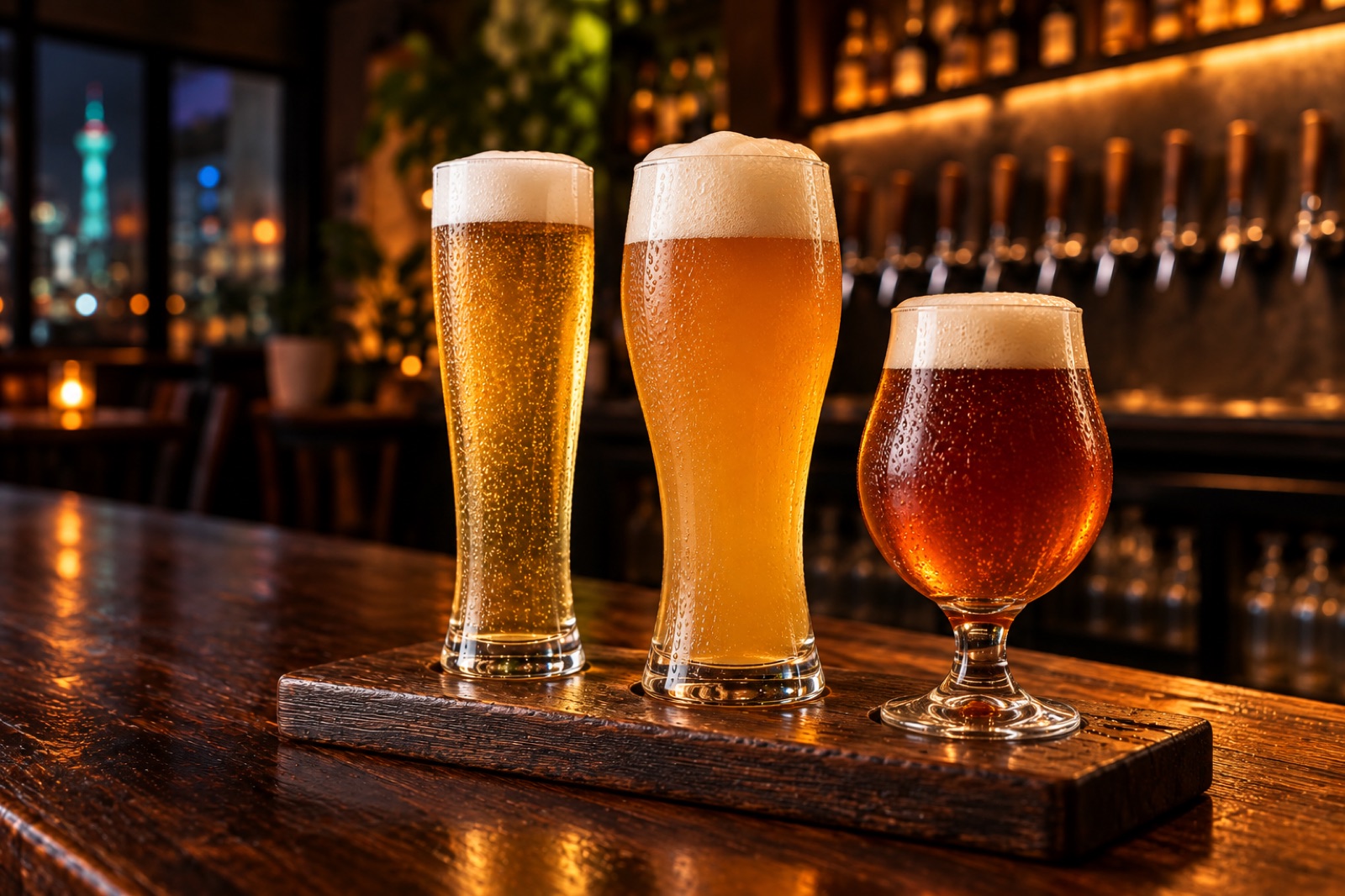
Wheat beer, Belgian witbier and hazy IPA can all feel approachable, but their ingredients, aromas and bitterness differ.
Read note →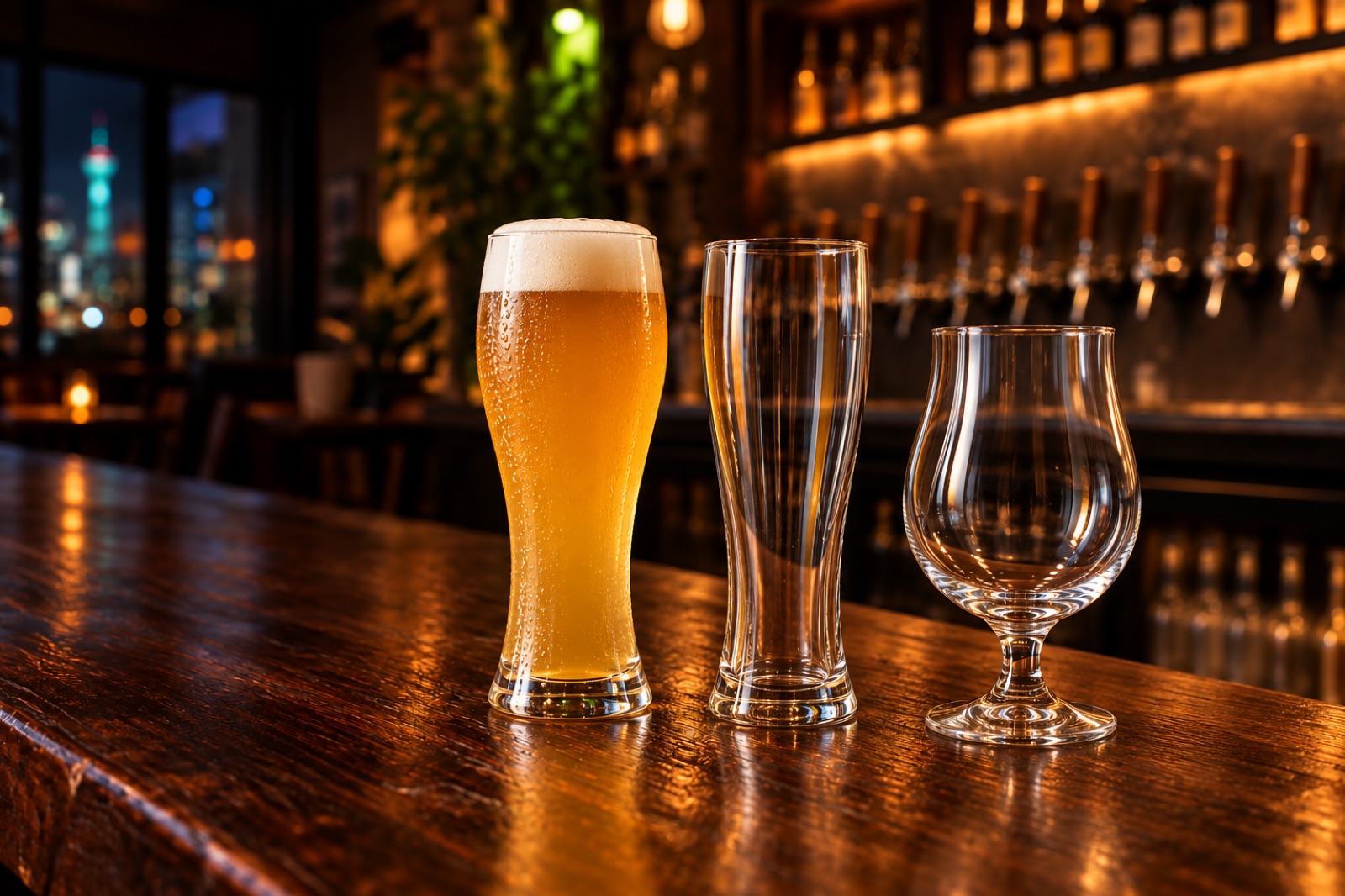
Glass shape can affect aroma, foam and pace. Learn a few useful shapes and why cleanliness matters more than collecting them all.
Read note →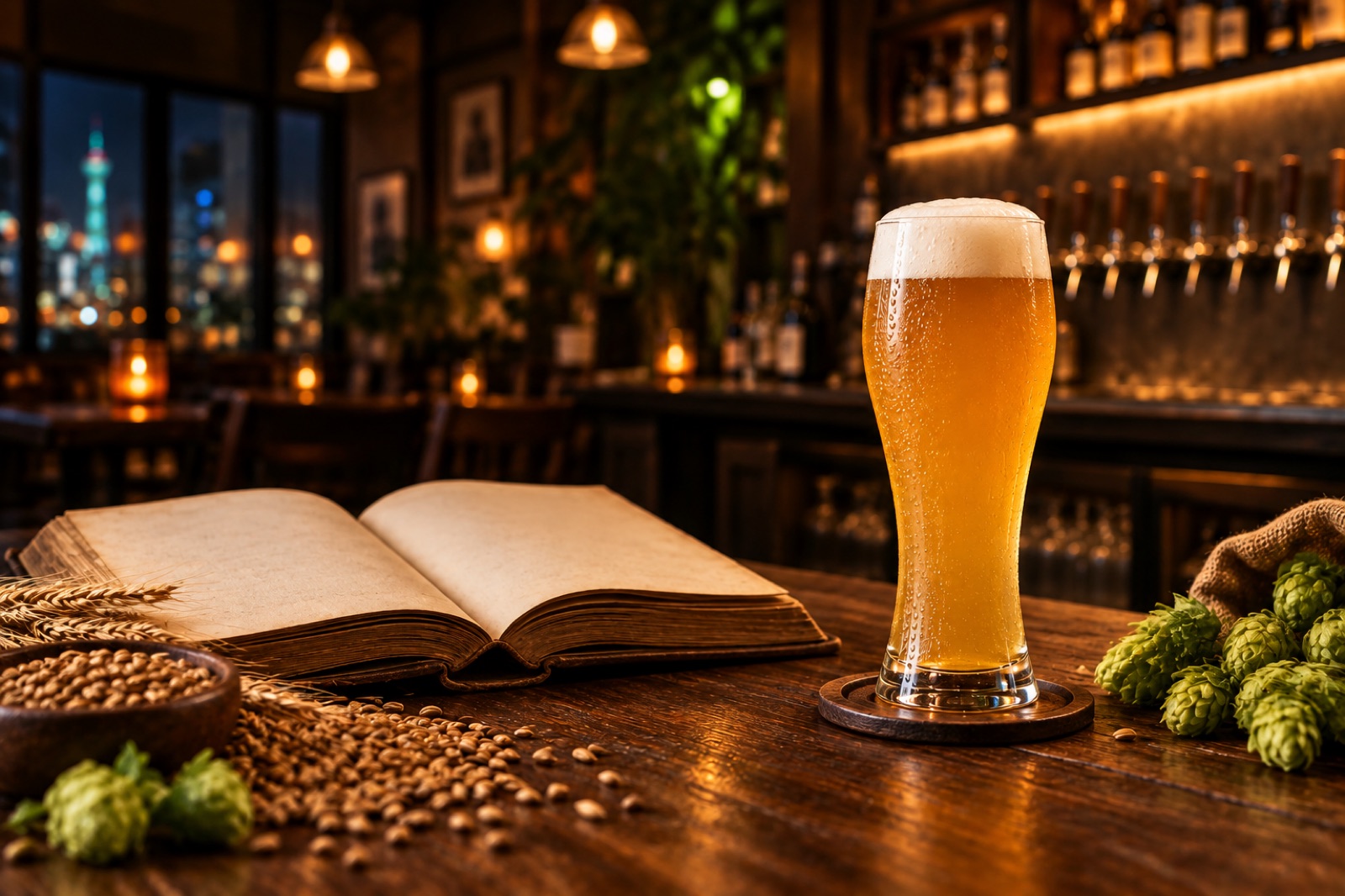
Beer history connects a glass to ingredients, technology, trade, cities and people—and gives you more questions to ask.
Read note →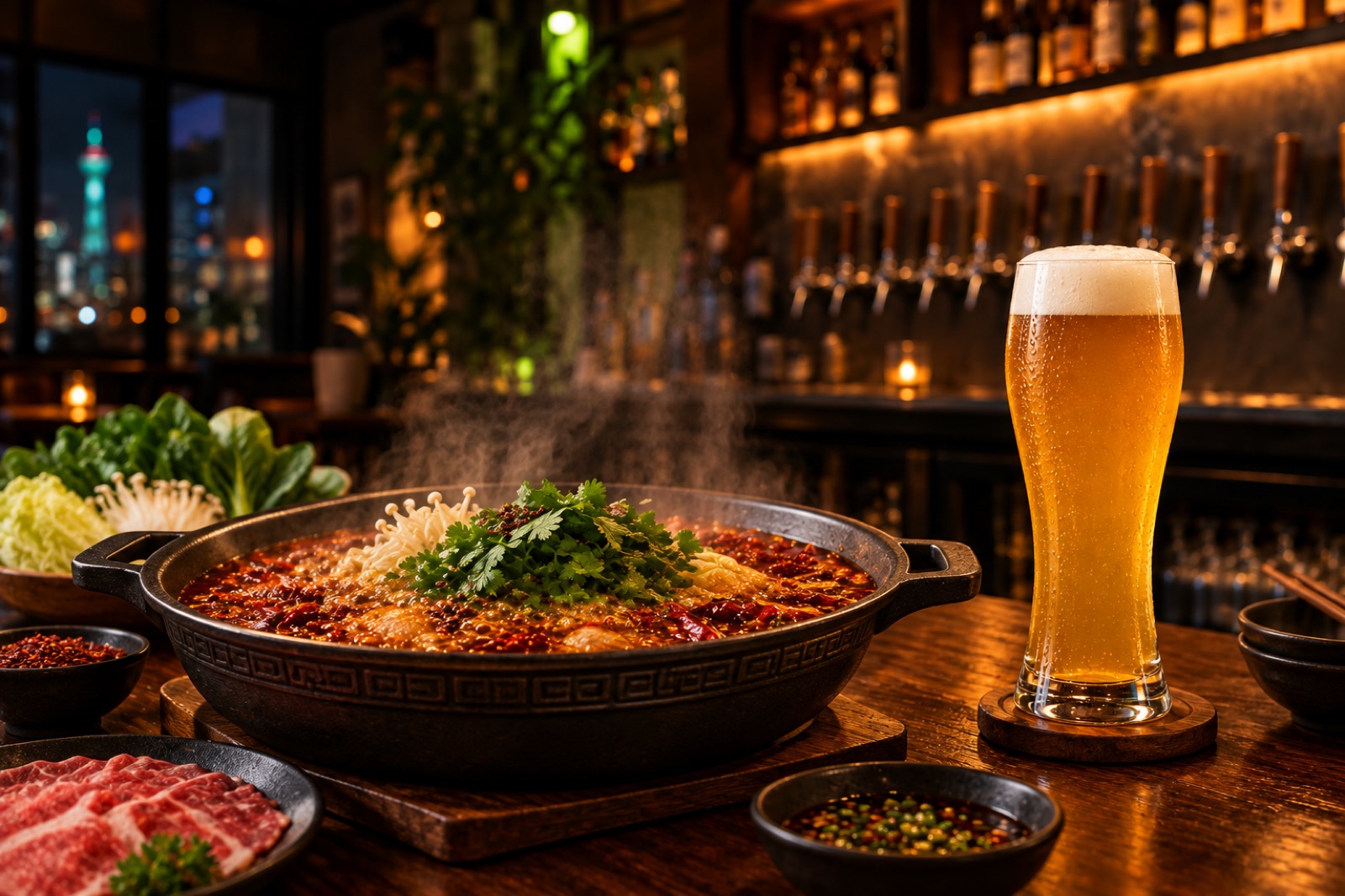
Choose a beer for hot pot by considering heat, fat, broth and personal tolerance. There is no single pairing for every table.
Read note →
Water, malt, hops and yeast each play a part. Wheat, oats, fruit and spices may join in, too.
Read note →
IPA, stout, ABV and IBU become easier when you treat style names as starting points, not promises.
Read note →
Light-struck notes, oxidation, diacetyl and DMS are sensory clues. Style, storage, packaging and expert assessment all matter.
Read note →
Water chemistry shaped brewing traditions, but modern treatment means a style is not tied to one place forever.
Read note →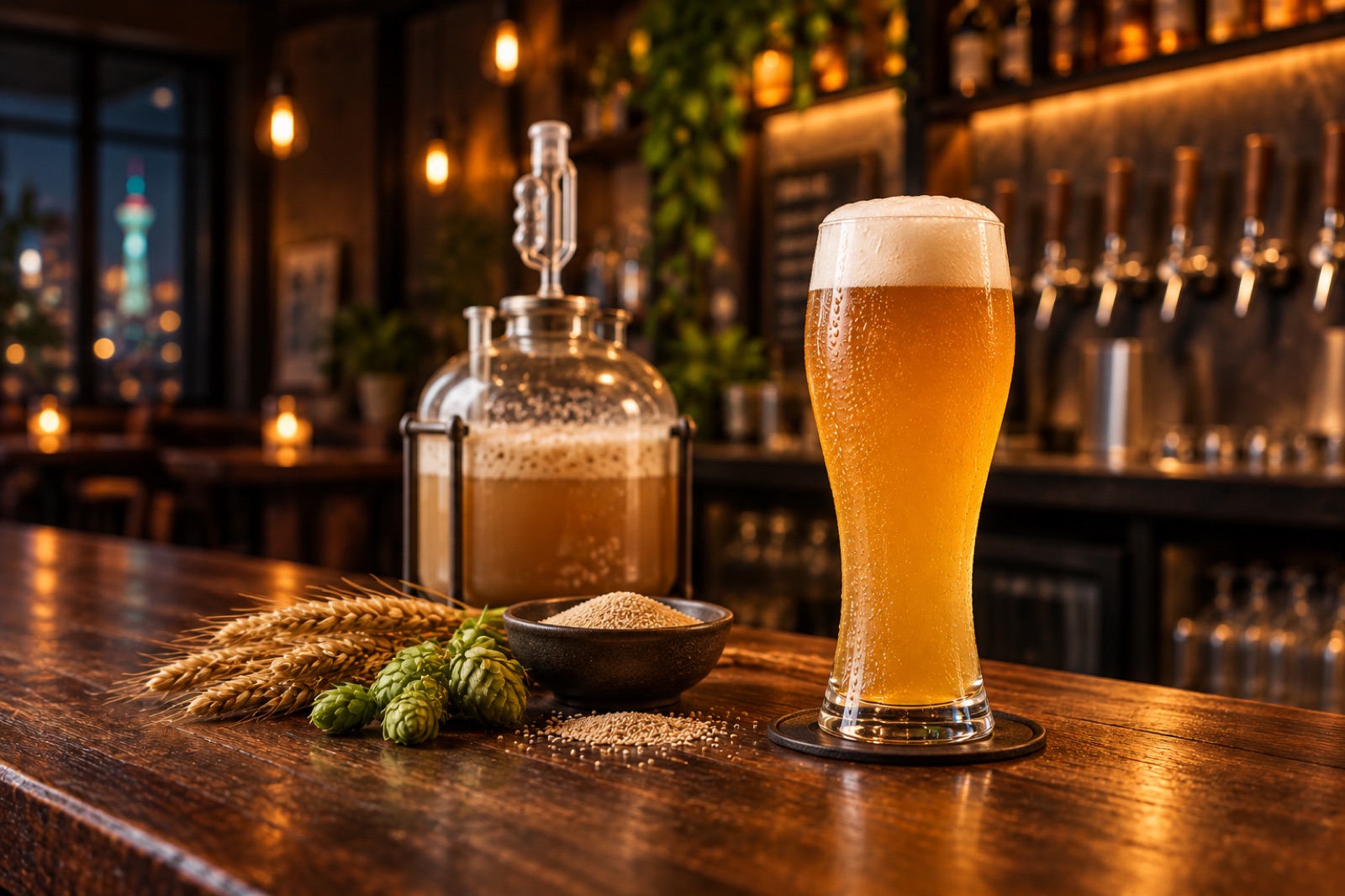
Yeast creates alcohol and carbon dioxide and can shape fruity, spicy and other fermentation aromas.
Read note →
Craft beer can bring people together through shared tastes, films and music without turning a generation into a stereotype.
Read note →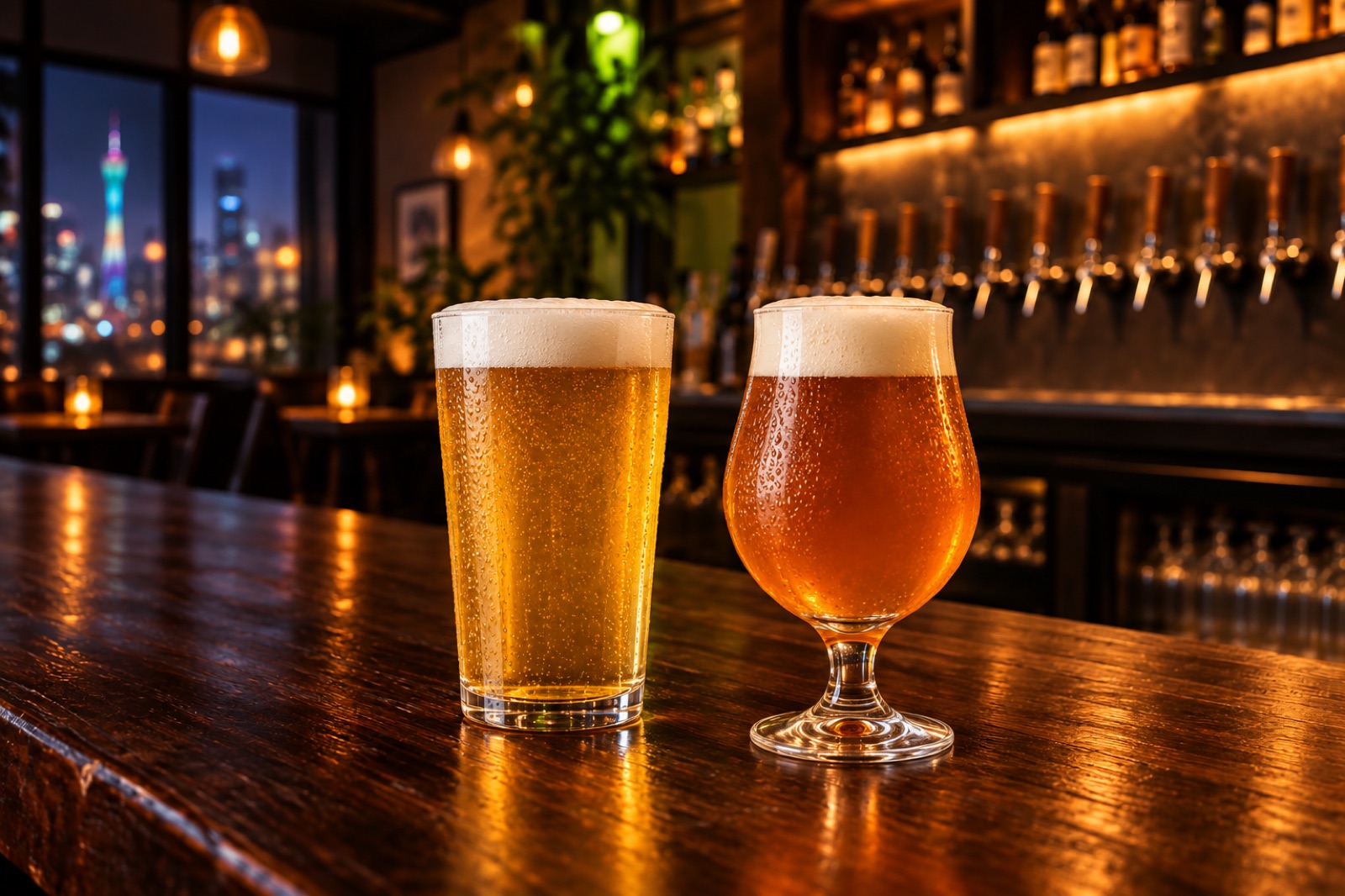
People choose beer for many reasons: familiarity, flavour, events, setting, budget and company.
Read note →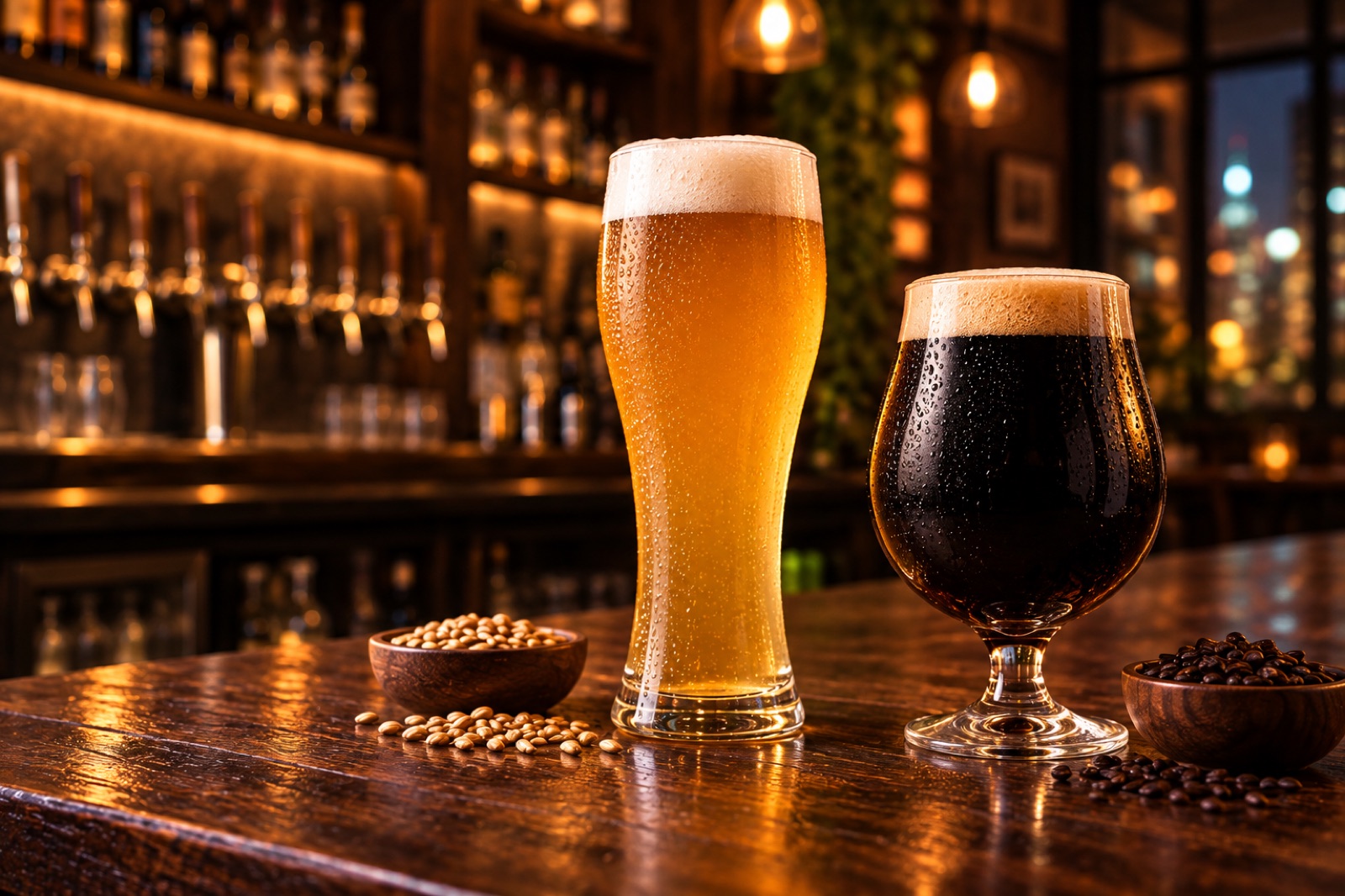
Dark colour does not automatically mean more alcohol, more bitterness or a heavier body. Check the ABV and beer description.
Read note →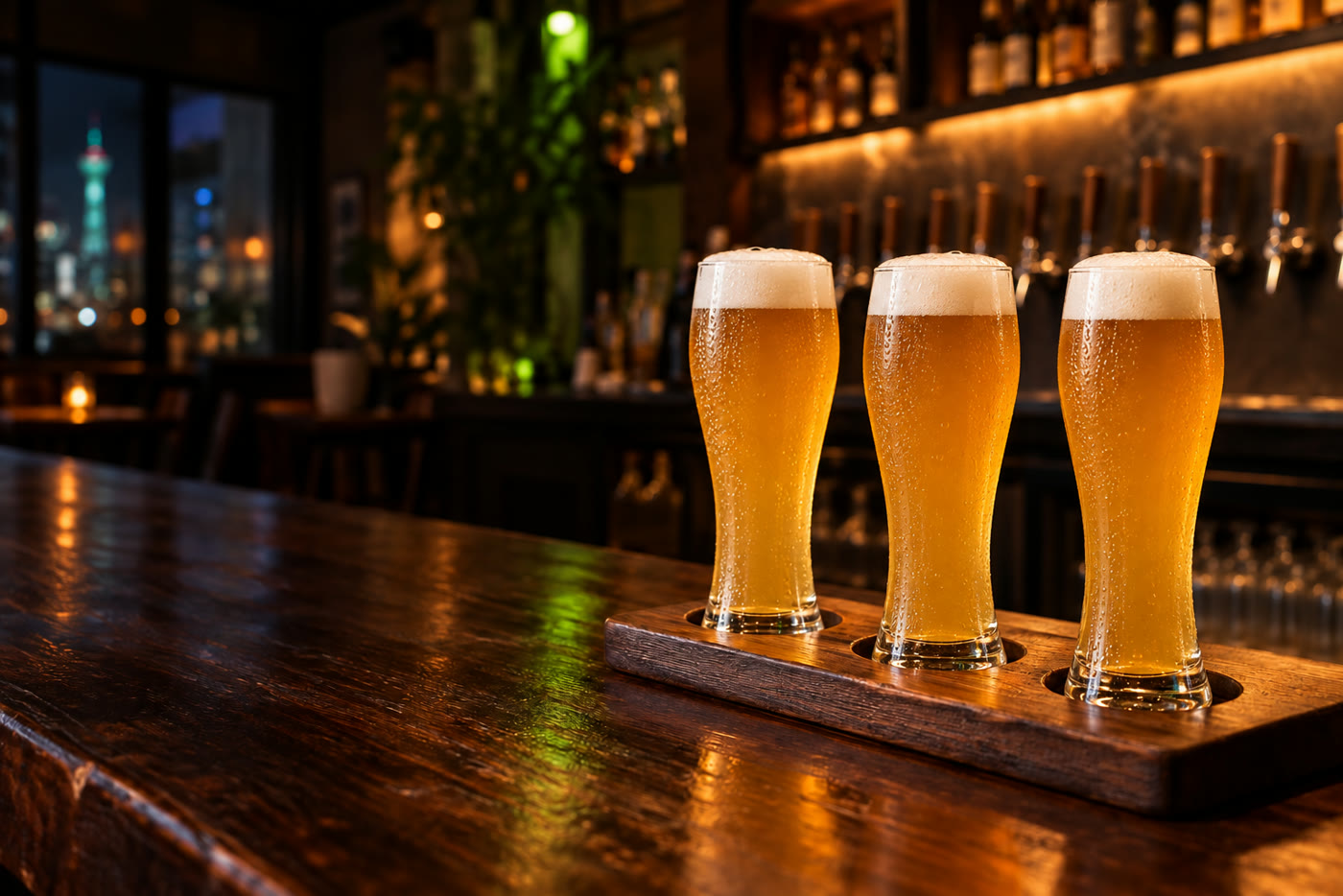
Six familiar style families and a few sample phrases can help you turn “something good” into a clear order.
Read note →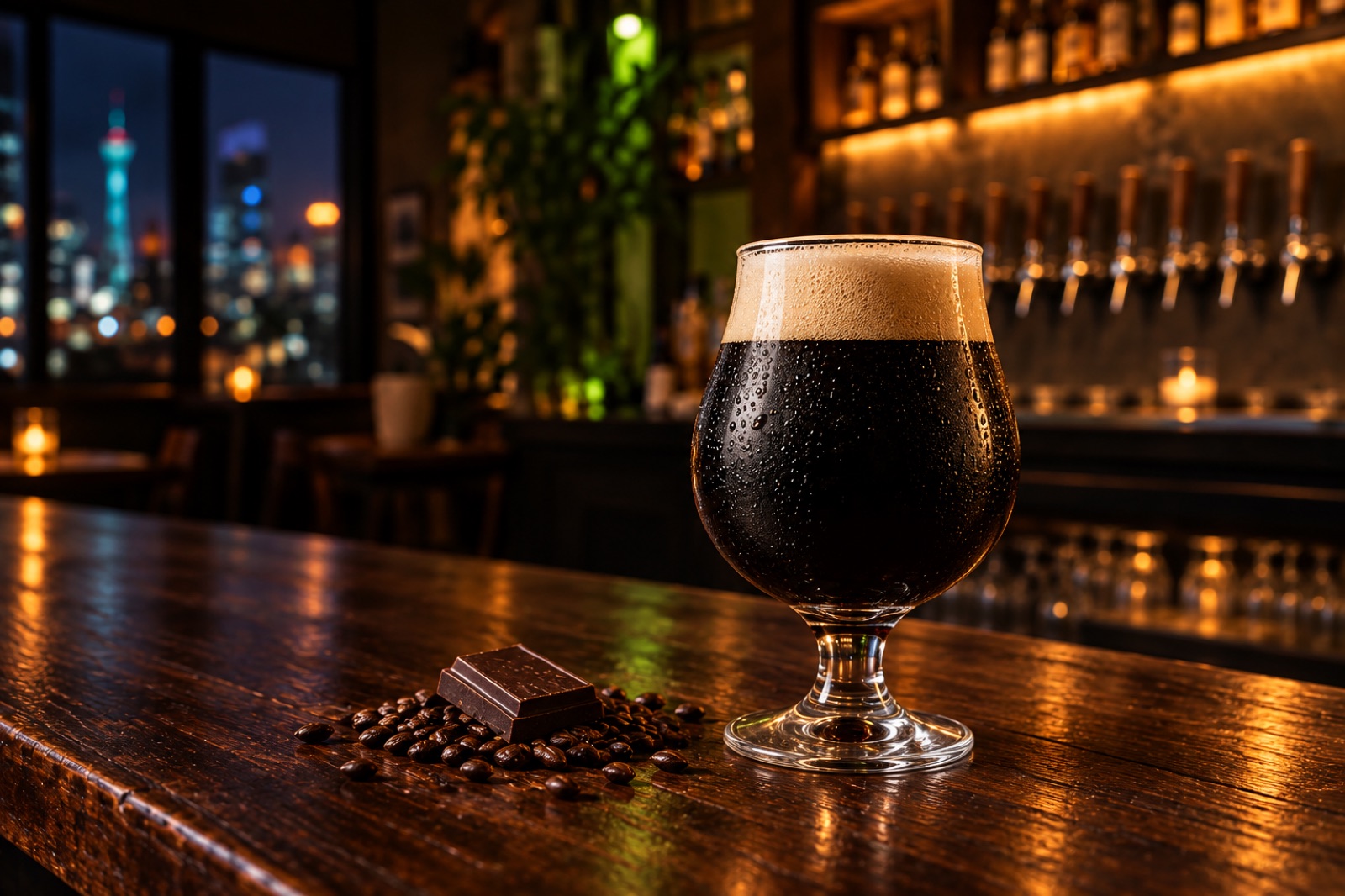
Roasted malt can evoke coffee, cocoa, toast and caramel. Imperial stouts are often richer, but every beer is different.
Read note →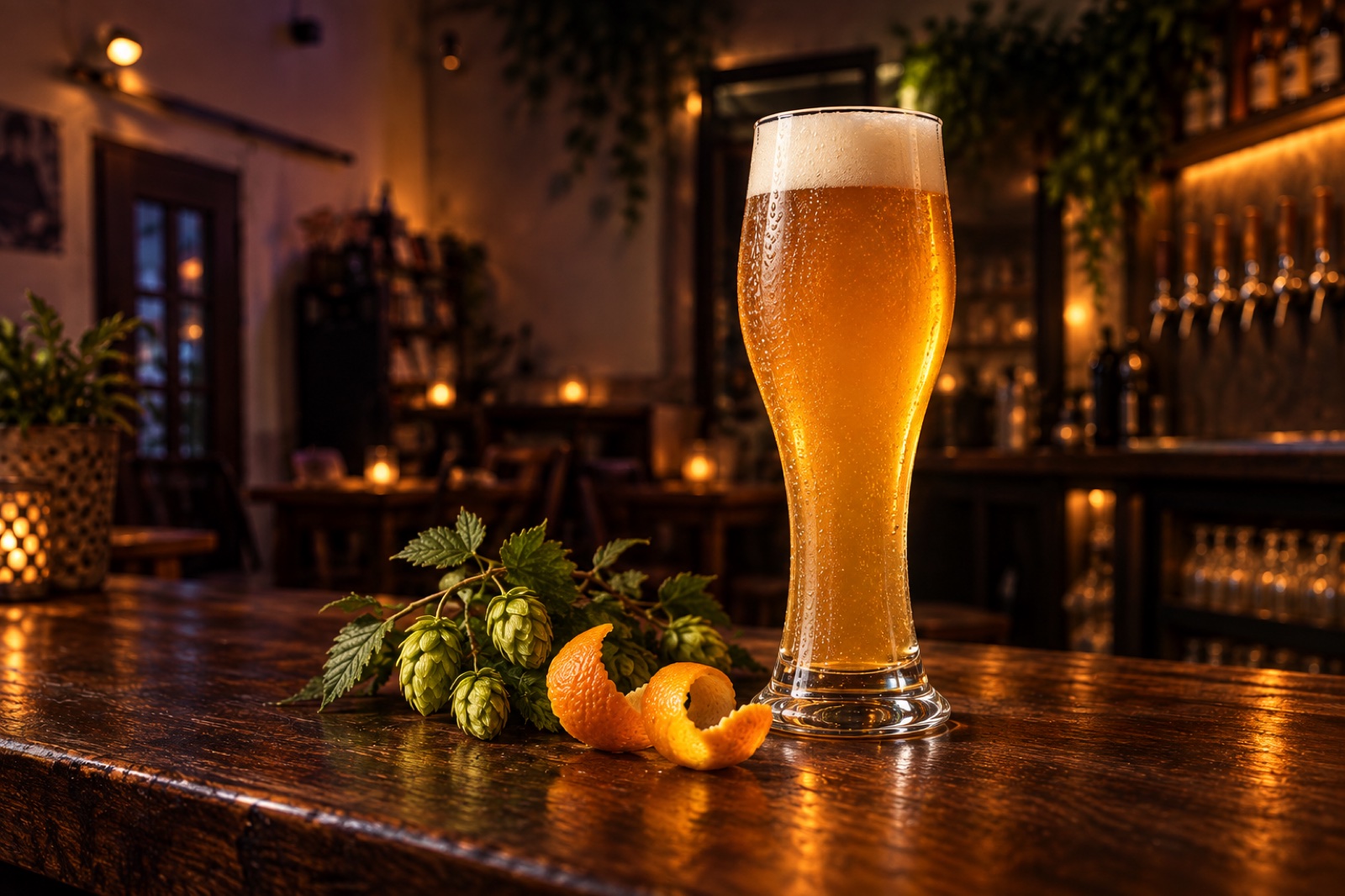
Explore the range of IPA aromas and bitterness, and why an IBU number is not a precise forecast of your experience.
Read note →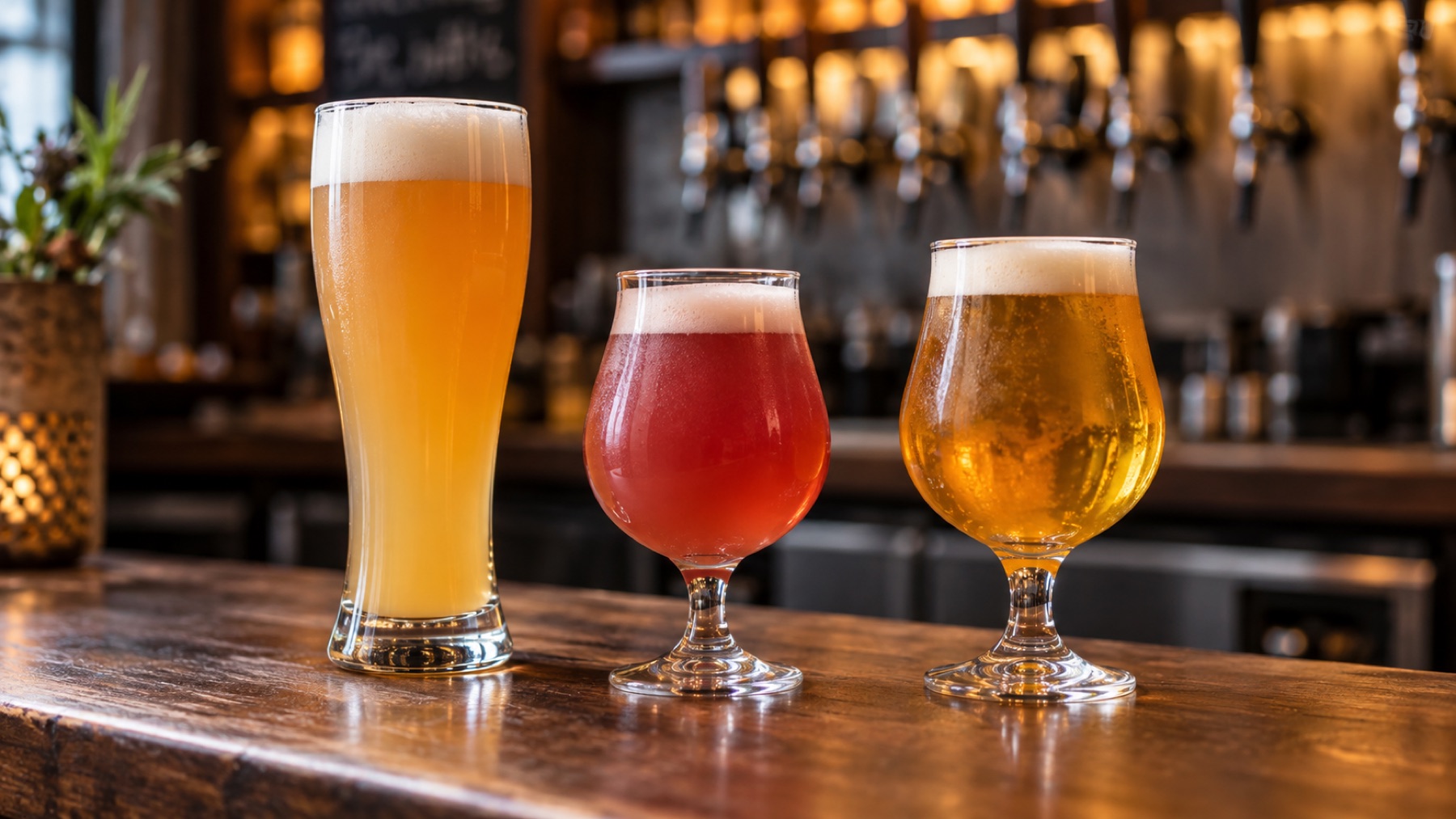
Compare hop aroma, malt and yeast character, and fruit notes—and find a simple way to ask for what you like.
Read note →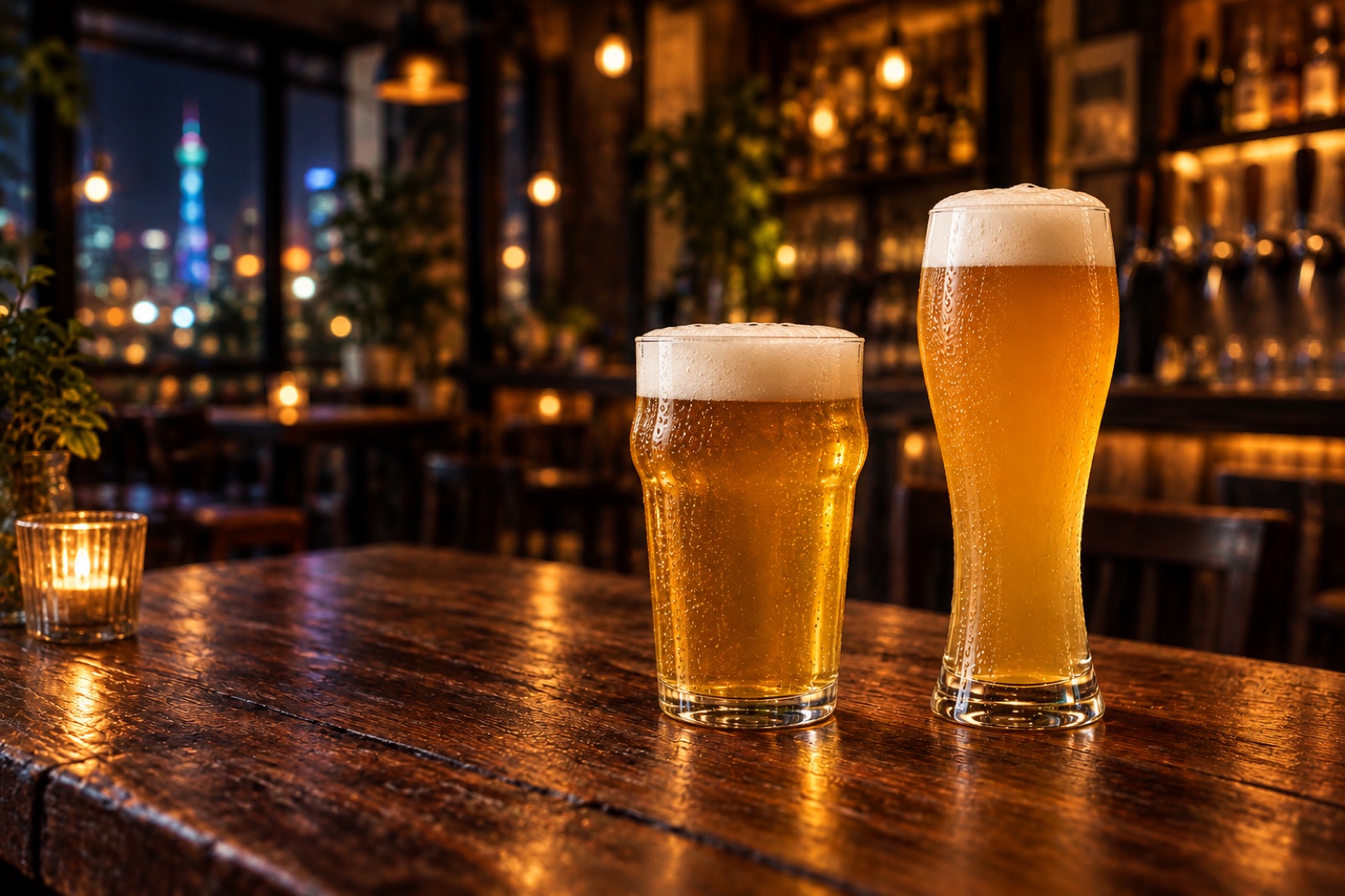
Lower-alcohol beer still needs careful brewing and clear information. Check the ABV and serving size, not just words like “light.”
Read note →
Pilsner’s crisp profile puts malt, hops, fermentation, water and freshness in plain view.
Read note →
Explore saison’s farm-brewed roots, dry finish and varied fermentation character without expecting every saison to taste alike.
Read note →
Learn how acidity appears in sour styles and why a style description alone cannot assess a specific product’s safety.
Read note →
Water, malt, hops and yeast work together to shape beer. Start with the ingredients and your own preferences—no jargon needed.
Read note →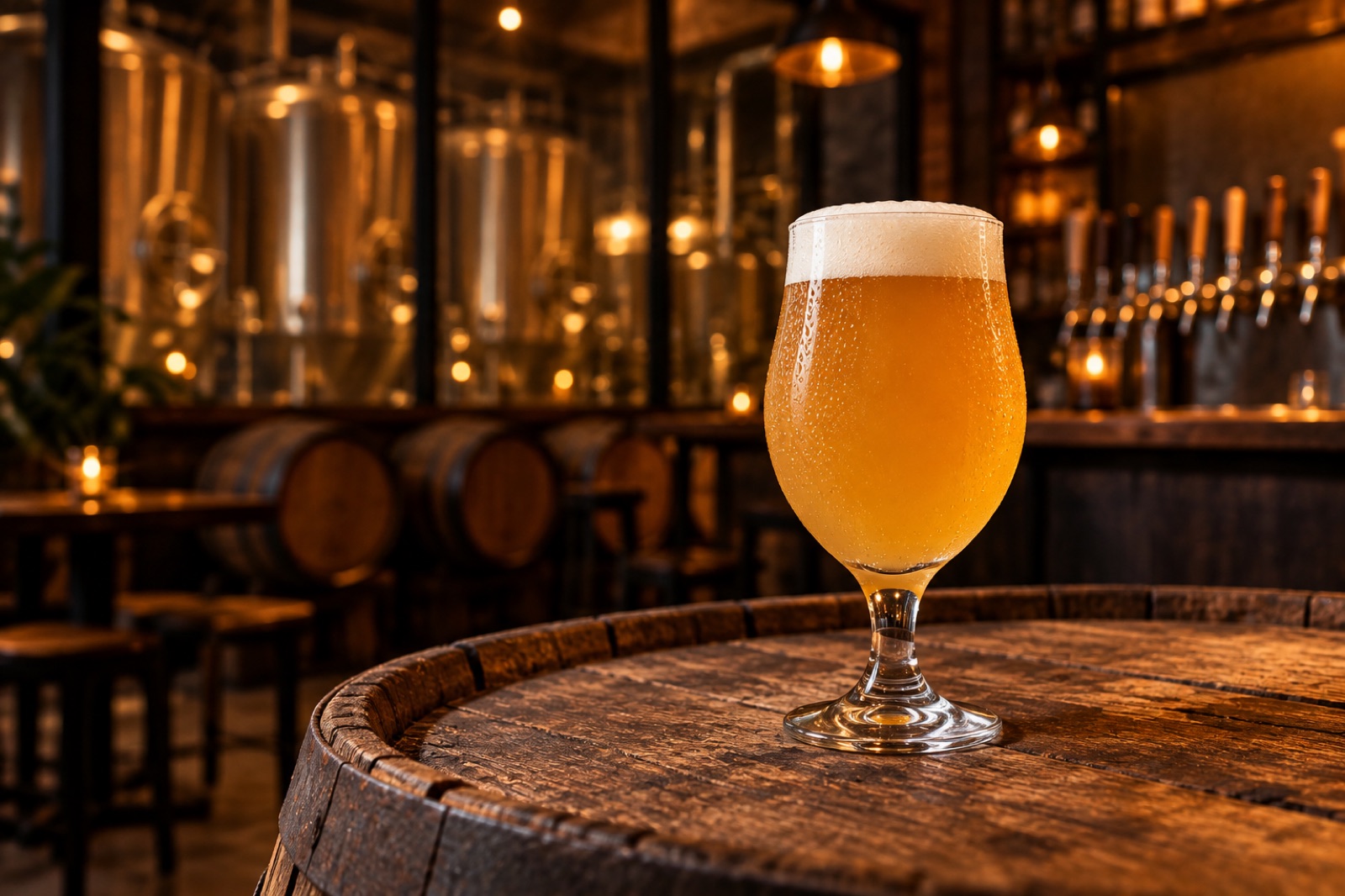
Spontaneous and mixed fermentations can use local microbes, time and maturation—but careful sanitation and management still matter.
Read note →Notes by JUMPWIRE. Beer and flavour vary by process, recipe and batch. Please check the current menu and ask our team about today’s selection.